

Spinal Cord Injury Care at Home
Nurse-led spinal cord injury care at home follows individual assessments, with ITU nurse input where needed. Dedicated care teams receive face-to-face, in-house training tailored to individual needs.
Spinal Cord Injury, Home Care
Spinal cord injuries affect people differently. Individual assessments, with input from experienced ITU nurses where needed, help establish the level of clinical and practical support required at home. Care reflects each person’s health needs, routines and goals.
Care may include bowel and bladder care, skin care, mobility and transfers, medication, respiratory support and overnight assistance. Dedicated care teams receive face-to-face, in-house training tailored to individual needs, with care plans reviewed as circumstances change.
- Individual assessments with input from experienced ITU nurses
- Face-to-face, in-house training tailored to spinal injury needs
- Dedicated care teams providing consistent support at home
Understanding Spinal Cord Injury and the Care You May Need
Spinal cord injuries affect people differently. Select an area to explore how they may affect everyday life and what care and support may be needed at home.
Illustrative guide, not a clinical assessment. Labels refer to neurological regions, not a count of individual vertebrae. Effects depend on the level and completeness of injury; care needs vary between people.
Respiratory & extensive support
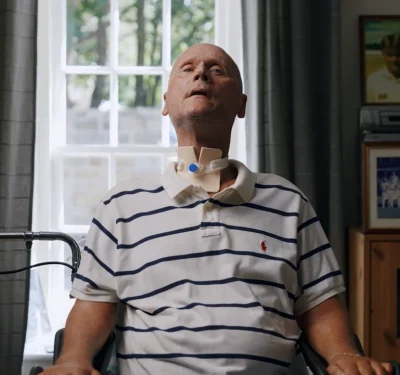
High cervical injuries can involve significant physical and clinical support needs, including changes to breathing, movement and everyday personal care.
- Breathing and movement may need specialist support.
- Positioning and personal care may require extensive assistance.
- Bowel and bladder routines are shaped around individual needs.
Independence includes having choice and control,
even when you need support.
Find complex care in your area
Explore where we currently deliver care and speak to our team about availability in your client’s area.
Referral received
Share the client's needs, location, funding and required timescale.
Clinical assessment
Our clinical team reviews the referral and assesses suitability.
Team and mobilisation
We recruit, train and prepare a dedicated care team.
Care begins
Care begins with regular reviews, updates and communication.
We provide personalised care at home following spinal cord injury. Depending on assessed needs, support can include personal care, mobility and transfers, skin care, bowel and bladder care, feeding via a PEG tube where required, and respiratory or ventilation support. We train our staff fully for autonomic dysreflexia. Our ITU nurses provide clinical oversight and regular visits, with care built around the person’s injury, routines and independence.
Our ITU nurses lead face-to-face, in-house training and regular training in the home using the client’s equipment. Training reflects the individual’s care plan and risk assessments, including transfers, skin care, bowel and bladder support, and respiratory needs where relevant. Where a person is at risk, training also covers recognising autonomic dysreflexia and following their emergency plan, supported by ongoing clinical oversight.
Funding may include NHS Continuing Healthcare, local authority or jointly funded support, Personal Health Budgets and private funding. Children’s Continuing Care may apply to eligible children, and insurance or compensation arrangements may be relevant after an injury. Our team can discuss options, while our ITU nurses assess requirements and provide clinical oversight.
We work alongside spinal injury units, discharge teams, therapists and case managers to plan a suitable home care package. Our ITU nurses oversee clinical planning, equipment needs and staff preparation, including individual risk assessments for transfers, skin integrity, bowel and bladder care and respiratory needs where relevant. The aim is to support a safe return home, with care tailored to the person’s health needs, comfort and independence.
Yes, depending on assessed needs. Our ITU nurses assess support requirements, including assistance with positioning, personal care and any respiratory needs. Clinical oversight, regular nurse visits and care reviews help ensure the level of support remains appropriate and the team follows the person’s agreed care and escalation plans. On-call clinical support is available to the care team for concerns arising between visits, with escalation guided by the individual’s care plan. Risk assessments are reviewed when needs or circumstances change.
Contact our team or complete the online referral form. Share relevant spinal injury assessments, discharge plans, equipment details and current care routines where available. Our ITU nurses assess suitability, complete risk assessments and plan clinical oversight with the wider team. Care starts once funding, equipment and appropriately trained staff are in place.
Do you need support?

Specialist CQC-regulated care delivered in your home. Komplex Care provides expert healthcare with dignity, trust, and compassion.
Useful Links
Useful Links
Copyright © 2026 Komplex Care LTD. All Rights Reserved.